
PMMA Resin: 7 Checks Before You Order Acrylic Pellets
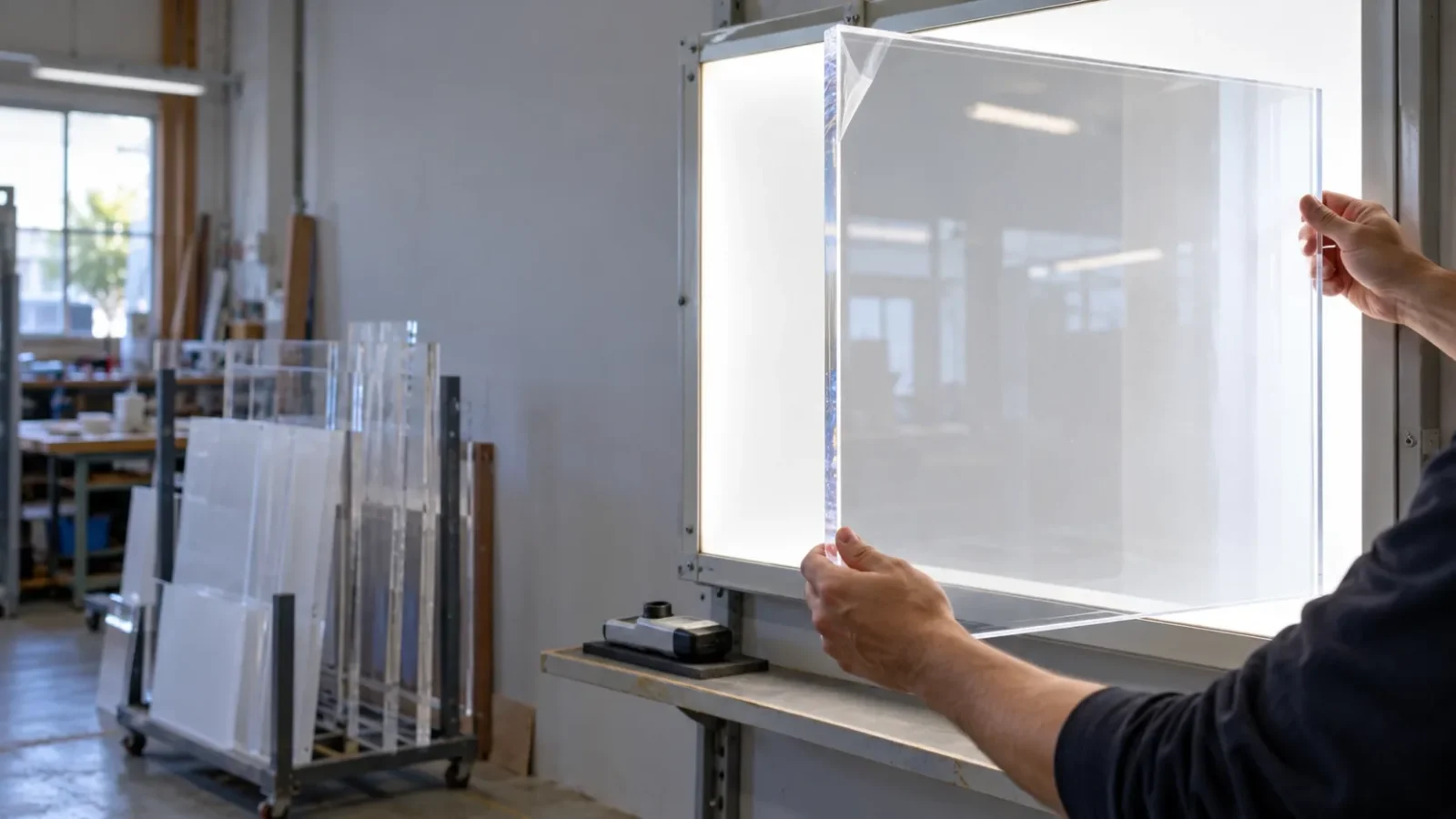
Learn how to choose PMMA resin for injection molding or extrusion. Compare flow, optical data, processing guidance, weathering information and batch documents before ordering.
What Is PMMA Resin?
Start with the Part and Process
- Is the part injection molded, extruded or thermoformed?
- Is the product clear, translucent, colored or opaque?
- Does the part need to diffuse light or remain optically clear?
- Will it be used indoors or outdoors?
- Is surface appearance more important than impact performance?
- Does the mold have thin walls, long flow lengths or visible gate areas?
- Does the component have tight dimensional requirements?
1. Full Grade Identification
- Full grade name
- Manufacturer name
- Color designation
- Current technical data sheet revision
- Intended processing method
- Any modification, such as impact-modified, weatherable or scratch-resistant formulation
2. Melt Flow Data and Test Conditions
- Melt flow rate (MFR)
- Melt volume rate (MVR)
- Test standard
- Test temperature
- Test load
- Injection molding often requires sufficient flow to fill the mold consistently.
- Extrusion applications may place more emphasis on melt stability and surface quality.
- Thin-wall or long-flow parts may need a different balance than thick optical parts.
3. Optical Performance at the Correct Thickness
- Light transmittance
- Haze
- Yellowness index or color data
- Test method
- Specimen thickness
4. Color and Long-Term Appearance Requirements
- Natural, transparent or specified color grade
- Color tolerance method
- Yellow index or color coordinates
- Sample plaque or molded sample
- Weathering information for outdoor use
- Surface quality expectations after molding or extrusion
5. Mechanical and Heat Performance
- Tensile strength and tensile modulus
- Impact performance
- Heat deflection temperature
- Vicat softening temperature
- Dimensional stability
- Stress-cracking resistance for the expected environment
- A display cover may require scratch resistance and cosmetic quality.
- A lighting component may require stable appearance at elevated temperature.
- A snap-fit part may need sufficient toughness during assembly.
- A large sheet or profile may require dimensional consistency after processing.
6. Drying and Processing Guidance
- Drying temperature and drying time
- Recommended moisture control
- Barrel temperature profile
- Mold temperature range
- Residence-time limits
- Regrind recommendation
- Shrinkage range
- Start-up and purge recommendations
7. Batch Documents and Change Control
- Lot number
- Manufacturing date
- COA availability
- Key release values, where supplied
- Packaging condition
- Storage requirements
- Change-notification process
- Sample approval procedure for a new lot or alternative source
PMMA Sourcing Checklist
A Simple PMMA Approval Process
Step 1: Review Documents
Step 2: Run a Controlled Trial
Step 3: Evaluate the Final Part
Step 4: Approve the Lot and Control Changes
Common PMMA Purchasing Mistakes
- Comparing melt-flow values with no test conditions
- Ordering “clear PMMA” without optical requirements
- Using a sheet-grade specification for an injection-molded part
- Ignoring drying and residence-time recommendations
- Treating a new supplier’s grade as a drop-in replacement
- Approving resin from pellet appearance alone
- Relying on an outdoor-performance statement without test details
- Using unverified application or certification claims in the purchase specification